Power substations are the beating heart of any Transmission and Distribution (T&D) network. When a substation fails, the impact goes far beyond a burnt piece of equipment; entire cities are left in the dark, industries halt their production lines, and hospitals enter states of emergency.
The vast majority of catastrophic failures in the power sector, such as transformer explosions or fires in high-voltage switchyards, do not happen overnight. They are the final stage of a silent problem: the thermal crisis. Current leakage, loose connections, and degraded insulators generate continuous heat (the Joule effect / resistive heating) long before they spark a fire.
The great challenge for utility companies is identifying this anomalous heat in time. In this article, Horus Smart Detections explores how thermal drone automation combined with Artificial Intelligence is changing the predictive maintenance game, preventing fires, and mitigating the risk of million-dollar fines from regulatory agencies.
The Anatomy of a Blackout and the Invisible Enemy
In high and extra-high voltage environments, temperature is the best indicator of a component’s health. A transformer bushing, a disconnect switch, or a simple bimetallic connector that presents resistance to electrical current will begin to heat up.
Historically, utilities combat this problem with manual thermography. Operators walk through the energized switchyard holding handheld thermal imagers, pointing them at the equipment. However, this method has dangerous limitations:
- Blind Spots: A ground-level operator cannot inspect the top of transmission towers, elevated busbars, or the upper angles of massive transformers.
- Sluggishness: Sweeping an entire substation on foot takes days, meaning inspections are sporadic. A rapidly evolving defect can emerge and cause a fire in the gap between two inspection cycles.
- Human Risk: Exposing technicians to energized 230kV or 500kV switchyards involves severe risks of arc flash accidents.
The Cost of Failure: Fire, Fines, and Reputation
For Operations and Compliance Directors, the cost of a substation fire goes well beyond hardware replacement (which alone runs into the millions). The true impact lies in the “day after”:
- Regulatory Penalties: Global regulatory agencies strictly monitor continuity grids (such as SAIDI and SAIFI indexes—System Average Interruption Duration/Frequency Index). Prolonged outages result in heavy financial compensation paid to consumers and direct fines to the utility, in addition to performance penalty deductions on transmission revenues.
- Lost Revenue: Energy Not Supplied (ENS) represents the direct billing the company failed to collect during the hours or days of the blackout.
- Reputational Risk (ESG): Blackouts generate instant media crises, political pressure, and a loss of shareholder trust.
The New Frontier: Drones and AI in Crisis Management
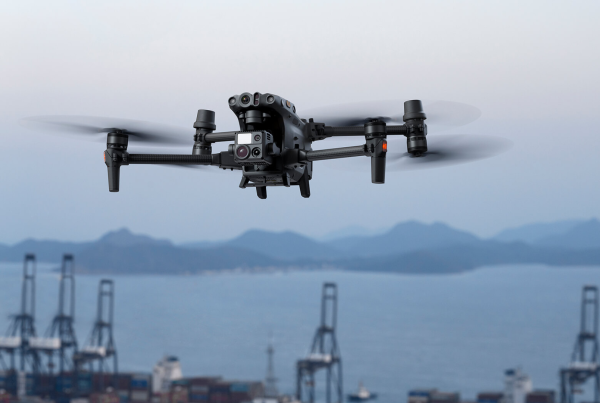
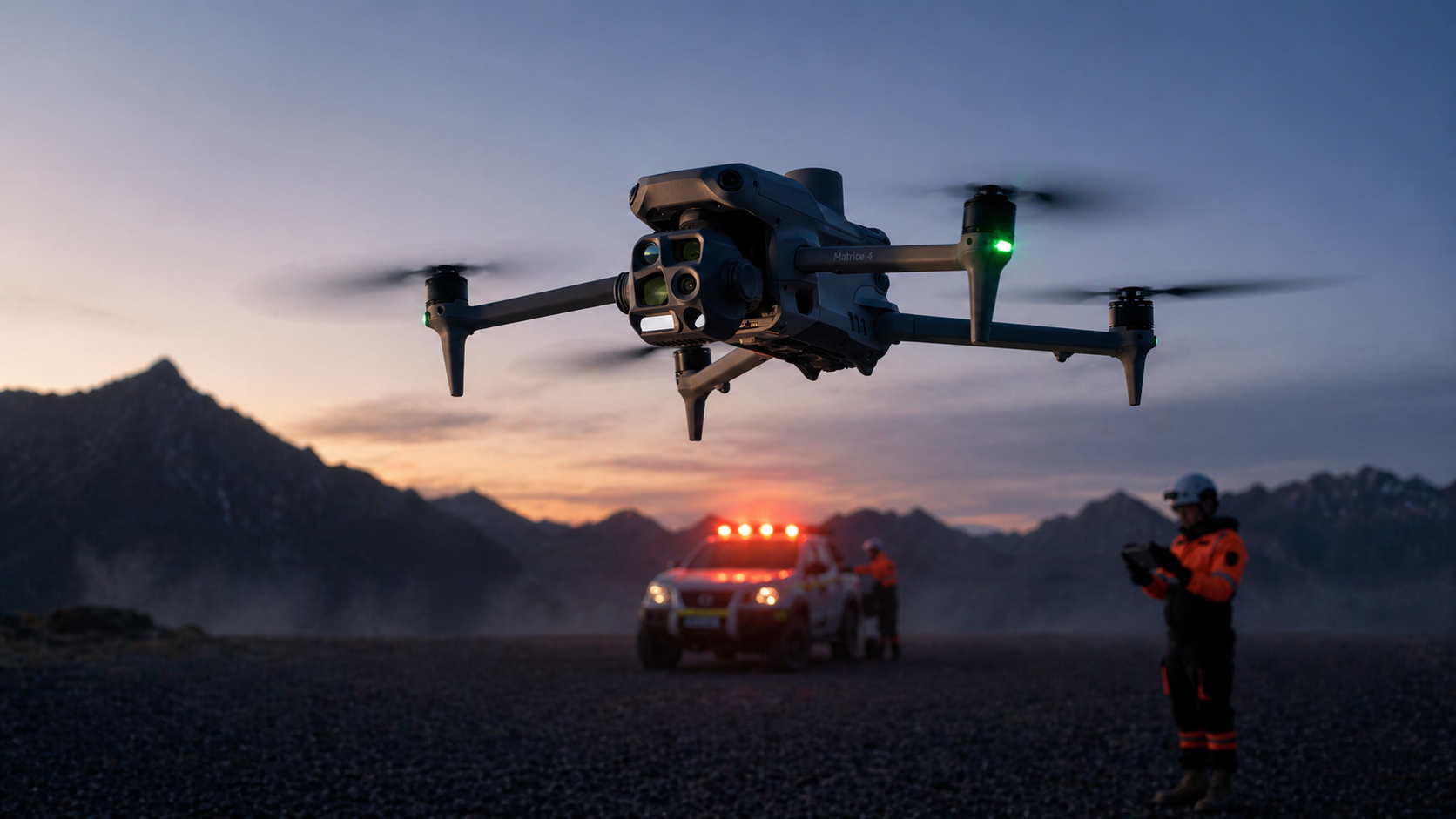
To prevent the scenario above, the technological answer is replacing manual sampling with intelligent aerial monitoring. Combining Enterprise-grade drones (like the DJI Matrice series or DJI Dock stations) with Computer Vision software shifts the maintenance paradigm from reactive to highly predictive.
Automated Flight and Total Sweeps
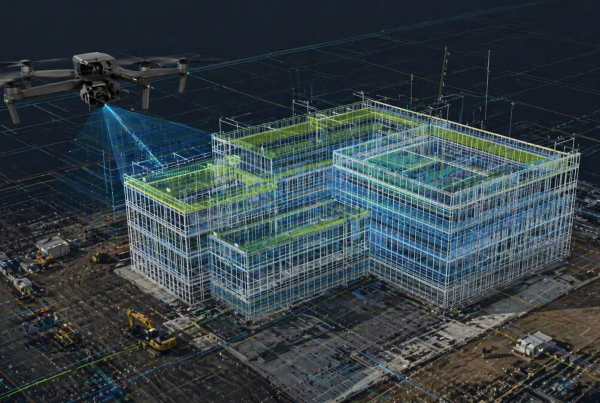
Instead of relying on a ground team, the drone fleet—operated by your own utility company—executes an automated flight plan over the substation. The drone sweeps 100% of the components from angles impossible for the human eye on the ground, without exposing anyone to electrical hazards, and maintaining strict regulatory clearance distances from live lines.
Artificial Intelligence: Separating Signal from Noise
Having thousands of thermal photos doesn’t solve the crisis; it just moves the bottleneck from the field to the office. While Horus does not operate as a field flight inspection service, this is exactly where our intelligent processing steps in.
Our Artificial Intelligence (AI) processes the thermal data captured by your team and performs Smart Detection:
- The AI automatically locates thermal anomalies.
- It measures the Delta T (the temperature difference between the anomaly and the adjacent phase or ambient temperature).
- The system classifies the risk severity (e.g., Critical, High, Medium, Low) based on the utility’s specific criteria.
- The report delivers the exact diagnosis: “Phase B disconnect switch connector shows heating 85ºC above normal. Imminent risk of failure.”
The ROI of Prevention
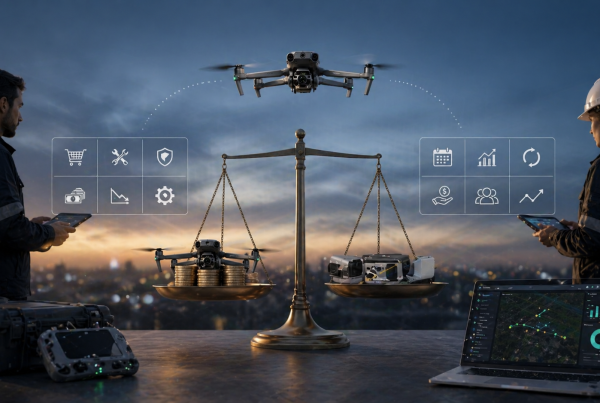
An aerial data management ecosystem acts as an incredibly cheap insurance policy compared to the liabilities of a blackout. By detecting overheating in its early stages, the utility can schedule a controlled shutdown during the early hours of the morning (when the load is lowest and the impact is minimal) to simply tighten a connection or replace a low-cost insulator. You trade a national-scale crisis for a routine 30-minute maintenance task.
Take the Next Step in Asset Management
Avoiding a crisis requires visibility. Hardware captures the light, but only software captures the intelligence. If your power utility wants to empower its teams to eliminate inspection blind spots and protect critical assets against fires and unplanned outages, the technology is already at your disposal.
Schedule a free demo with Horus and discover how our Monitora Platform integrates aerial data to transform predictive maintenance across your Transmission and Distribution network.